
machzor yom kippur pdf
Machzor Yom Kippur PDF: A Comprehensive Guide (Updated March 30, 2026)
Today, March 30, 2026, this guide explores accessing Yom Kippur Machzor PDFs, including recent discoveries like a 14th-century machzor with unique poems.
What is a Machzor?
A Machzor (מחזור) is a special Jewish prayer book used on Rosh Hashanah and Yom Kippur – the High Holy Days. Unlike a siddur, used for daily prayers, the Machzor contains the unique liturgical poems (piyutim) and expanded prayers specifically designated for these solemn occasions.
These books are significantly longer and more elaborate than standard siddurim, reflecting the intensified spiritual focus of the High Holy Days. A Yom Kippur Machzor PDF, therefore, represents a digital version of this comprehensive prayer collection.

Historically, machzorim were often beautifully illuminated manuscripts, treasured possessions within Jewish communities. Today, digital PDF versions offer accessibility and convenience, allowing individuals to engage with the traditional liturgy regardless of location or physical book availability. The recent discovery of a 14th-century machzor highlights the rich history embedded within these prayer books.
The Significance of Yom Kippur in Jewish Tradition
Yom Kippur, the Day of Atonement, is the holiest day of the year in Judaism. It’s a day dedicated to repentance, fasting, and prayer, seeking forgiveness for sins committed during the past year. The Machzor, and specifically a Yom Kippur Machzor PDF, serves as the central tool for this spiritual journey.
The day’s intensive prayers, found within the machzor, aim to connect individuals with God and facilitate profound introspection. The solemnity of Yom Kippur demands a heightened level of devotion, reflected in the extended and poetic liturgy.
Access to a PDF version allows wider participation, enabling individuals to fully engage with the traditional prayers and themes of repentance, even remotely. The recently discovered 14th-century machzor underscores the enduring importance of this day throughout Jewish history.
Historical Development of the Yom Kippur Machzor
The Yom Kippur Machzor’s evolution spans centuries, reflecting changing liturgical practices and poetic forms. Early forms were likely less structured, gradually incorporating piyutim – liturgical poems – enriching the prayer experience. The recent discovery of a 14th-century Machzor provides invaluable insight into this development.
Prior to standardized printing, each community often maintained its unique machzor, leading to regional variations. The advent of printing in the 15th century began to standardize texts, though differences persisted; Today, accessing a Yom Kippur Machzor PDF allows study of these historical variations.
Digitization, including PDF formats, preserves these historical texts, making them accessible for scholarly research and communal use, furthering understanding of Jewish liturgical history.

Understanding the Structure of a Yom Kippur Machzor
Yom Kippur Machzor PDFs organize prayers into Ma’ariv, Shacharit, Mincha, and Ne’ilah, featuring key piyutim, and reflecting Ashkenazi or Sephardi traditions.
The Main Sections: Ma’ariv, Shacharit, Mincha, and Ne’ilah
Yom Kippur Machzor PDFs meticulously divide the day’s prayers into four distinct services: Ma’ariv (evening), Shacharit (morning), Mincha (afternoon), and Ne’ilah (closing). Each section within these PDFs contains a specific set of prayers and liturgical poems, or piyutim, designed to reflect the evolving spiritual themes of the day.
Ma’ariv initiates the fast with prayers of acceptance and anticipation. Shacharit focuses on confession and supplication. Mincha builds towards the final hours, and Ne’ilah, the most poignant service, pleads for forgiveness as the “gates of heaven” are about to close. Navigating a Yom Kippur Machzor PDF requires understanding this structural flow to fully participate in the service.
Key Liturgical Poems (Piyyutim) in the Machzor
Yom Kippur Machzor PDFs are richly adorned with piyutim – liturgical poems that amplify the emotional and theological depth of the day. These aren’t merely poetic additions; they are integral to the service, expressing communal yearning and divine attributes. Recent discoveries, like those within the 14th-century machzor, reveal previously unknown PDF-accessible poems.
Many PDFs highlight poems focusing on themes of repentance, divine judgment, and the hope for forgiveness. Understanding the historical context and poetic structure of these piyutim enhances the experience of using a Yom Kippur Machzor PDF, offering a deeper connection to centuries of Jewish tradition and prayer.
Variations Between Different Machzor Traditions (Ashkenazi, Sephardi, etc.)
Yom Kippur Machzor PDFs demonstrate significant variations reflecting diverse Jewish traditions. Ashkenazi PDFs often feature distinct piyutim and melodies compared to Sephardi or other traditions. These differences extend to the order of prayers and specific liturgical emphases within the PDF document.
When accessing a Machzor PDF, it’s crucial to identify its tradition. Koren Publishing offers community-use PDFs, potentially reflecting specific nusach (liturgical rite). Understanding these nuances enhances the prayer experience. Digital access allows easy comparison of different traditions, fostering a broader appreciation for Jewish liturgical diversity, readily available through various PDF resources.
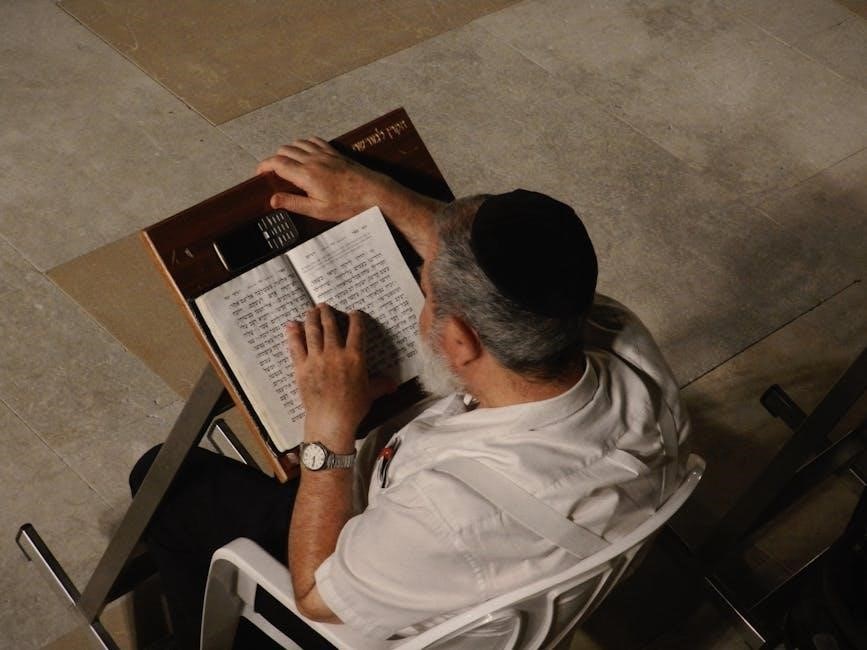
The 14th-Century Machzor Discovery
A recently discovered 14th-century machzor reveals previously unknown Yom Kippur liturgical poems, offering new insights accessible through digitized PDF versions.
Details of the Newly Acquired Machzor at the National Library of Israel
The National Library of Israel announced the acquisition of a remarkable 14th-century machzor, a significant addition to their collection of Jewish liturgical texts. This machzor, used for the High Holy Days, particularly Yom Kippur, is exceptionally well-preserved and offers a unique window into medieval Jewish prayer practices.
Researchers are meticulously cataloging and digitizing the machzor, making its contents accessible through high-resolution PDF scans. This digitization project is crucial for scholars worldwide, allowing detailed study without physically handling the fragile manuscript. The library anticipates releasing portions of the PDF online, alongside scholarly articles detailing its historical and liturgical importance. The machzor’s physical condition and the quality of the PDF reproduction are paramount concerns in this preservation effort.
Previously Unknown Liturgical Poems Revealed
The 14th-century machzor unearthed at the National Library of Israel contains previously undocumented liturgical poems – piyutim – for Yom Kippur. These poems, absent from standard Machzor traditions, offer invaluable insights into the evolving nature of Jewish liturgy during the medieval period. Scholars believe these piyutim represent regional variations or compositions by lesser-known poets.
The discovery is particularly exciting as it expands the known repertoire of Yom Kippur prayers. Initial analysis suggests the poems explore themes of repentance, divine judgment, and the hope for forgiveness. Digitized versions of these poems, available as part of the Machzor PDF, will be crucial for comparative liturgical studies. Researchers are working to translate and contextualize these newly revealed verses, enriching our understanding of Jewish spiritual life;
Significance of the Discovery for Liturgical Scholarship
The 14th-century machzor’s unveiling profoundly impacts liturgical scholarship, offering a rare glimpse into the formative stages of the Yom Kippur service. Access to a Machzor PDF containing these previously unknown piyutim allows for detailed comparative analysis with existing texts. This discovery challenges existing assumptions about the standardization of Jewish prayer and highlights the diversity of liturgical practice.
Researchers can now trace the development of specific themes and poetic forms within the Yom Kippur liturgy. The machzor provides crucial evidence for understanding the transmission of liturgical traditions across geographical regions; Digitization ensures wider accessibility, fostering collaborative research and enriching our understanding of Jewish history and religious expression through the Machzor PDF.
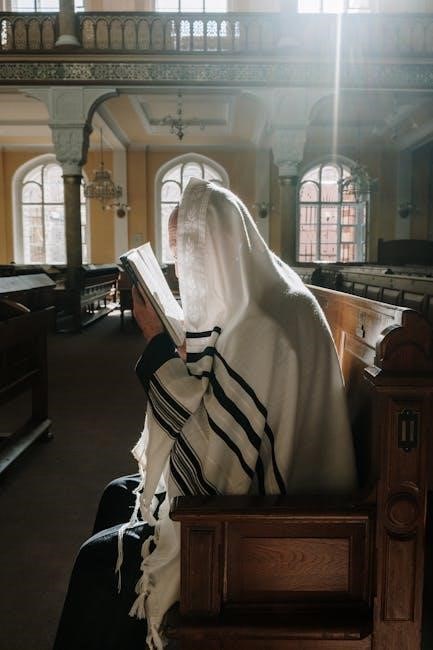
Accessing Yom Kippur Machzor PDFs Online
Koren Publishing offers community-use Machzor PDFs, while numerous free and paid digital options exist for accessing Yom Kippur prayers online today.
Koren Publishing and Community-Use Machzors
Koren Publishing has been instrumental in making Yom Kippur Machzor PDFs accessible, particularly through initiatives focused on community use. Notably, a recent project was initiated in partnership with a kibbutz, specifically designed to provide a machzor for communal prayer services.
This Machzor PDF is intentionally designated for community use only, meaning it is not available for individual purchase. This approach emphasizes shared access and affordability, ensuring that congregations can readily utilize a high-quality digital resource for the High Holy Days.
Koren’s commitment extends to providing comprehensive liturgical texts, carefully formatted for digital readability and ease of navigation. These PDFs often include features designed to enhance the prayer experience within a communal setting, fostering a more connected and meaningful observance of Yom Kippur.
Free PDF Resources for Yom Kippur Prayers
Numerous websites offer free Yom Kippur Machzor PDFs, providing accessible prayer resources for individuals and communities. These resources vary in scope and tradition, encompassing Ashkenazi, Sephardi, and other liturgical customs. While convenient, users should exercise caution regarding source reliability and textual accuracy.
Many synagogues and Jewish organizations also publish portions of the Yom Kippur liturgy as PDFs, such as specific prayers like Kol Nidre or Yizkor. These are often available on their websites for download.
However, complete, high-quality Machzor PDFs are less frequently available for free, often due to copyright restrictions and the extensive work involved in creating these texts. Always verify the source and consider supporting publishers offering comprehensive versions.
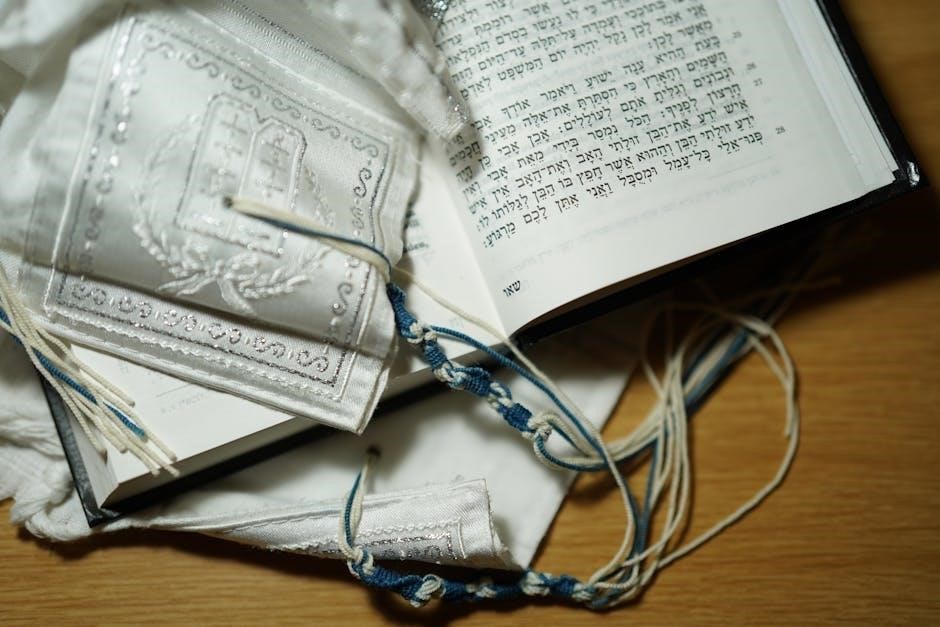
Paid Digital Machzor Options
Koren Publishing stands out as a primary provider of digital Yom Kippur Machzor options, offering meticulously typeset and annotated PDFs. These versions often include features like clear Hebrew text, vowelization, and English translations, enhancing the prayer experience.
While the Koren project initiated with a kibbutz focuses on community use, individual digital copies are available for purchase. Other publishers also offer digital machzorim, catering to diverse liturgical preferences.
Investing in a paid Machzor PDF ensures access to a reliable, accurate, and often beautifully designed text, supporting the continuation of Jewish liturgical traditions. These options frequently include enhanced search capabilities and printing features.
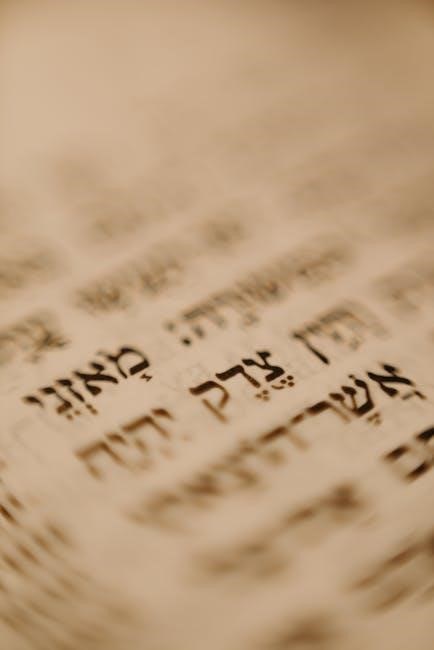
Navigating a Yom Kippur Machzor PDF
Digital machzorim require understanding Hebrew typography and utilizing search functions effectively. PDF readers offer annotation tools for a personalized prayer experience.
Understanding Hebrew Typography and Layout
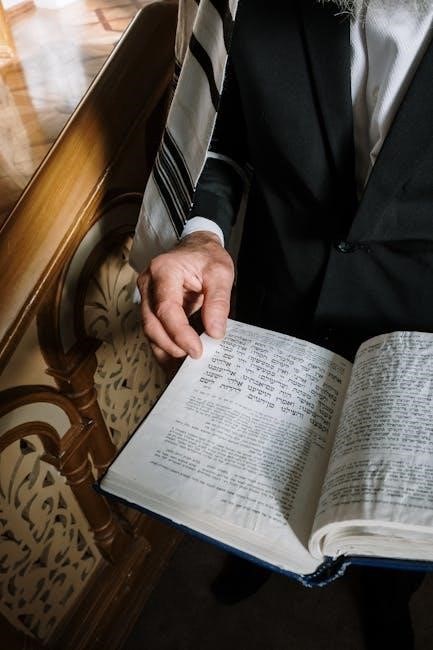
Navigating a machzor PDF necessitates familiarity with Hebrew typography, which differs significantly from Western scripts. Hebrew is read from right to left, impacting page layout and text flow. Vocalization marks (nikud) beneath the letters indicate pronunciation, crucial for accurate recitation, especially for those less fluent.
Pay attention to the use of cantillation marks (te’amim), guiding melodic chanting during services. These symbols appear above or below the text. PDF viewers may not always render these marks perfectly, so high-resolution PDFs are preferable. Understanding the layout – often with text blocks justified to the right – is key to following along during prayer. Many PDFs include both Hebrew and English translations, often presented side-by-side or as footnotes, aiding comprehension.
Using Search Functions to Find Specific Prayers
A key advantage of Yom Kippur Machzor PDFs is the ability to quickly locate specific prayers using the search function (Ctrl+F or Cmd+F). However, searching requires understanding Hebrew terminology. Searching for English translations may also yield results, depending on the PDF’s text layer.
Common search terms include prayer names like “Kol Nidre,” “Yizkor,” or “Ne’ilah.” Searching for keywords within prayers, such as “selichot” (penitential prayers) or “vidui” (confession), can also be effective. Be mindful of variations in spelling and transliteration. Some PDFs are scanned images, lacking a searchable text layer; OCR (Optical Character Recognition) may improve searchability, but accuracy isn’t guaranteed.
Annotation and Highlighting Features in PDF Readers
Modern PDF readers offer powerful tools for enhancing your Yom Kippur Machzor PDF experience. Highlighting key passages, such as important piyutim or sections of the vidui, aids in focused prayer. Annotation features allow you to add personal notes, interpretations, or reminders directly onto the PDF pages.
These notes are saved within the file, making it easy to revisit your insights during future Yom Kippurs. Utilize the commenting tools to pose questions or mark challenging passages for further study; Different PDF readers (Adobe Acrobat, Preview, etc.) offer varying levels of functionality; explore your chosen reader’s capabilities. Remember to save your annotated PDF to preserve your work!
Specific Prayers and Their Importance
The Yom Kippur Machzor PDF contains central prayers like Kol Nidre, Yizkor, and Ne’ilah, each holding profound historical and thematic significance.
Kol Nidre: Its History and Meaning
Kol Nidre, initiating the Yom Kippur Machzor PDF’s services, is arguably the most recognizable and emotionally resonant prayer. Found within the digital machzor, its origins trace back to medieval Jewish communities facing persecution and forced conversions.
The prayer’s declaration annuls vows made under duress, a historical necessity for those compelled to outwardly renounce their faith. However, it does not absolve willingly made commitments.
Controversy surrounds Kol Nidre, with some misinterpreting it as permitting dishonesty. However, Jewish tradition clarifies its specific context. The Yom Kippur Machzor PDF often includes explanatory notes addressing these concerns.
Its haunting melody and dramatic presentation establish the solemnity of Yom Kippur, setting the tone for a day of introspection and repentance. Accessing it through a PDF allows for focused study of its text and historical background.
Yizkor: Remembering the Departed
Yizkor, a poignant section within the Yom Kippur Machzor PDF, is a memorial service dedicated to honoring the deceased. It’s recited on Yom Kippur and other designated days, offering a communal space for remembrance and expressing enduring love for those who have passed.
The Yom Kippur Machzor PDF facilitates individual and collective mourning, providing the text for reciting names of departed loved ones. Prayers within Yizkor beseech God to remember the souls of the deceased and grant them eternal peace.
This service emphasizes the importance of preserving memory and continuing the legacy of those lost. Digital machzorim often allow for personalized annotations, enabling users to add names and dates for focused remembrance.
Yizkor’s inclusion in the PDF format ensures accessibility and allows individuals to participate in this vital aspect of Yom Kippur observance, regardless of location.
Ne’ilah: The Closing Service and its Themes
Ne’ilah, the concluding service of Yom Kippur, found within the Machzor PDF, is a powerfully emotive experience. It signifies the “closing of the gates,” representing a final opportunity for repentance before the day ends.
The Yom Kippur Machzor PDF provides the liturgical text for Ne’ilah, filled with urgent pleas for forgiveness and acceptance. Themes of divine judgment, hope, and the fragility of life are central to this service.
Digital versions often feature enhanced readability and search functions, aiding in following the rapid-paced prayers. The PDF format allows for focused contemplation during this critical moment of the day.
Ne’ilah’s intensity is amplified by the anticipation of the final shofar blast, marking the conclusion of Yom Kippur and sealing the decrees for the coming year.
PDF Considerations for Printing and Usage
Machzor Yom Kippur PDFs require careful attention to paper size, print settings, and accessibility features for optimal use, especially for visually impaired users.
Paper Size and Print Settings
When printing a Machzor Yom Kippur PDF, selecting the correct paper size is crucial for readability and proper layout. Standard letter size (8.5 x 11 inches) is often sufficient, but larger formats like A4 may be preferred for enhanced clarity, particularly for those with visual impairments.
Consider your printer’s capabilities; ensure it supports the chosen paper size and offers duplex printing to conserve paper. Adjusting print settings, such as margins and scaling, can optimize the text’s appearance. Experiment with different settings to achieve a balanced and legible printout.
High-quality paper stock is recommended for sharper text and reduced show-through, enhancing the overall prayer experience. Previewing a test page before printing the entire machzor is always advisable to confirm the settings are ideal.
Accessibility Features for Visually Impaired Users
Digital Machzor Yom Kippur PDFs offer several accessibility features for visually impaired users. Utilizing screen readers, which convert text to speech, is paramount. Ensure the PDF is tagged correctly for optimal screen reader compatibility, allowing for navigation by headings and content sections.
Adjustable font sizes and styles within the PDF reader are essential, enabling users to customize the text for comfortable reading; High contrast modes can also improve visibility. Some PDF readers offer text-to-speech functionality directly.
Consider PDFs designed with accessibility in mind, often indicated by compliance with WCAG standards. These versions prioritize semantic structure and alternative text for images, enhancing the overall user experience.
Legal Considerations Regarding Copyright and Distribution
When accessing Machzor Yom Kippur PDFs, copyright laws are crucial. Many machzorim are protected by copyright, even in digital format. Unauthorized reproduction or distribution of copyrighted material is illegal.
Koren Publishing, for example, offers community-use machzorim but restricts individual purchase and widespread distribution. Free PDF resources may have specific usage licenses; always review these terms before downloading or sharing.
Respecting intellectual property rights ensures continued publication and accessibility of these sacred texts. Public domain machzorim are freely available, but verifying their status is essential. Distributing copyrighted PDFs without permission can lead to legal repercussions.

Future Trends in Digital Machzorim
Digital machzorim are evolving with interactive features like audio, commentary, and personalization, preserving Jewish liturgy through innovative technology and enhanced accessibility.
Interactive Machzorim with Audio and Commentary
The future of machzorim lies in dynamic digital experiences. Imagine a Yom Kippur Machzor PDF not just as text, but as an immersive journey. Interactive features will include synchronized audio recitation of prayers, allowing users to follow along and learn proper pronunciation.
Furthermore, integrated commentary – drawing from rabbinic scholarship and historical context – will illuminate the meaning behind each prayer and piyut. Users could click on specific passages to reveal explanations, deepening their understanding and connection to the service.
These digital machzorim could also offer transliterations and translations, making the prayers accessible to a wider audience. Such enhancements promise a richer, more engaging, and educational experience for all who use a Yom Kippur Machzor PDF.
Personalized Machzor Experiences
Digital machzorim, particularly Yom Kippur Machzor PDFs, are poised to offer unprecedented personalization. Users could customize their prayer experience by selecting preferred liturgical traditions – Ashkenazi, Sephardi, or others – within the same digital document.
Imagine adjusting font sizes, highlighting meaningful passages, and creating personal annotations directly within the PDF. Furthermore, users could save frequently used prayers or sections for quick access during the service.
Interactive features might allow individuals to track their progress through the service, bookmark specific points, and even create personalized playlists of prayers. This level of customization ensures a more meaningful and focused Yom Kippur observance, tailored to individual needs and preferences.
The Role of Technology in Preserving Jewish Liturgy
Technology, specifically the creation of Yom Kippur Machzor PDFs and digital archives, plays a crucial role in preserving Jewish liturgical heritage. The recent discovery of a 14th-century machzor highlights the importance of digitization for scholarly access and study.
PDFs allow for the faithful reproduction of ancient texts, safeguarding them against physical deterioration and loss. Digital platforms facilitate wider dissemination of these texts, making them accessible to communities worldwide.
Furthermore, technology enables the reconstruction of fragmented texts and the identification of previously unknown liturgical poems, as demonstrated by the National Library of Israel’s find. This ensures the continuity and vibrancy of Jewish tradition for future generations.

Leave a Reply
You must be logged in to post a comment.