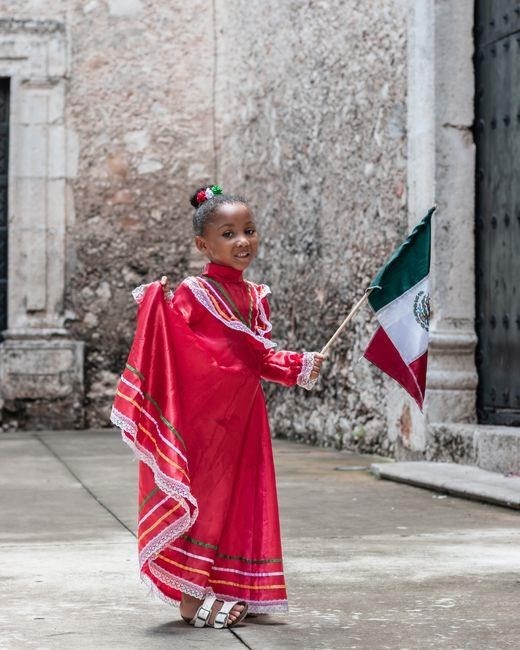
hispanic heritage month lesson plans pdf
Overview of Hispanic Heritage Month
Hispanic Heritage Month celebrates the cultural, historical, and artistic contributions of Hispanic and Latino communities. The 8‑Ideas PDF provides ready‑made lesson plans for K‑2 and 3‑5 grades, aligning with Common Core reading and writing standards. Teachers adapt lessons to reflect local heritage!
Historical Background
Hispanic Heritage Month, observed from September 15 to October 15, honors the histories, cultures, and contributions of people of Spanish‑language origin in the United States. The holiday began in 1968 as Hispanic Heritage Week, a brief celebration in California, and was expanded to a month in 1988 by President Ronald Reagan. The 2022 Anti‑Defamation League PDF offers lesson plans that reflect this legacy, providing educators with activities that integrate reading, writing, and speaking standards for K‑2 and 3‑5 grades. By aligning curriculum with the Common Core standards—R1, R2, R4, R6, R7, R9 for reading and W1, W2, W4, W6, W7, W8 for writing—teachers can contextualize Hispanic history within broader educational goals. The PDF’s structure supports differentiated instruction, allowing students to explore Spanish‑language literature, historical figures, and regional traditions while meeting state benchmarks. This resource underscores the importance of culturally responsive teaching, ensuring that Hispanic heritage is celebrated as a vital part of American history and identity. The month’s origins trace back to the 1960s civil‑rights movement, when activists sought recognition for Latino contributions to the nation’s development. Over the decades, the celebration has grown to include diverse voices from Mexico, Puerto Rico, Cuba, the Dominican Republic, and other Latin American nations, reflecting the rich tapestry of Spanish‑language cultures. By incorporating stories of pioneers, artists, scientists, and community leaders, educators can foster a deeper appreciation for the shared heritage that shapes contemporary society. The PDF’s alignment with state standards also demonstrates how cultural education can be seamlessly integrated into everyday learning, promoting equity and inclusion across the classroom.
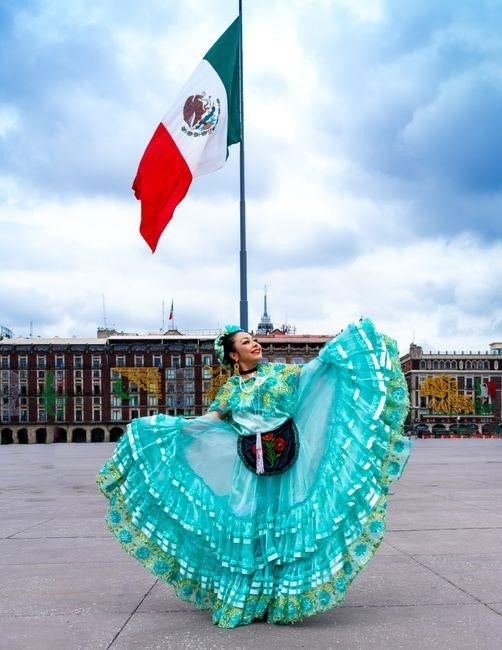
Educational Standards Alignment
The Hispanic Heritage Month lesson‑plan PDF aligns with state‑wide Common Core standards, ensuring that culturally relevant content meets rigorous academic expectations. For kindergarten through second grade, the resource supports reading standards R1, R2, R4, R6, R7, and R9, which focus on foundational literacy skills such as phonemic awareness, decoding, and comprehension of grade‑appropriate texts. Writing instruction for this group is mapped to W1, W2, W4, W6, W7, and W8, covering narrative, informational, and opinion pieces, as well as the development of writing conventions and vocabulary. Speaking and listening expectations are also addressed, encouraging students to articulate ideas, ask questions, and engage in collaborative discussions about Hispanic history and culture. For grades three through five, the PDF continues to emphasize the same core standards, while expanding the complexity of tasks to include analytical reading, synthesis of multiple sources, and more sophisticated writing structures. The lesson plans incorporate authentic Spanish‑language materials, biographies of influential Hispanic figures, and multimedia resources that provide contextual depth. This alignment demonstrates that celebrating Hispanic heritage does not compromise academic rigor; instead, it enriches the curriculum by connecting students’ cultural identities to the standards they are expected to master. Teachers can use the PDF’s ready‑made activities to scaffold learning, assess comprehension through formative checks, and celebrate student achievements with culturally responsive displays. Students can also create multimedia projects that showcase their research and celebrate the diversity of Hispanic cultures!!
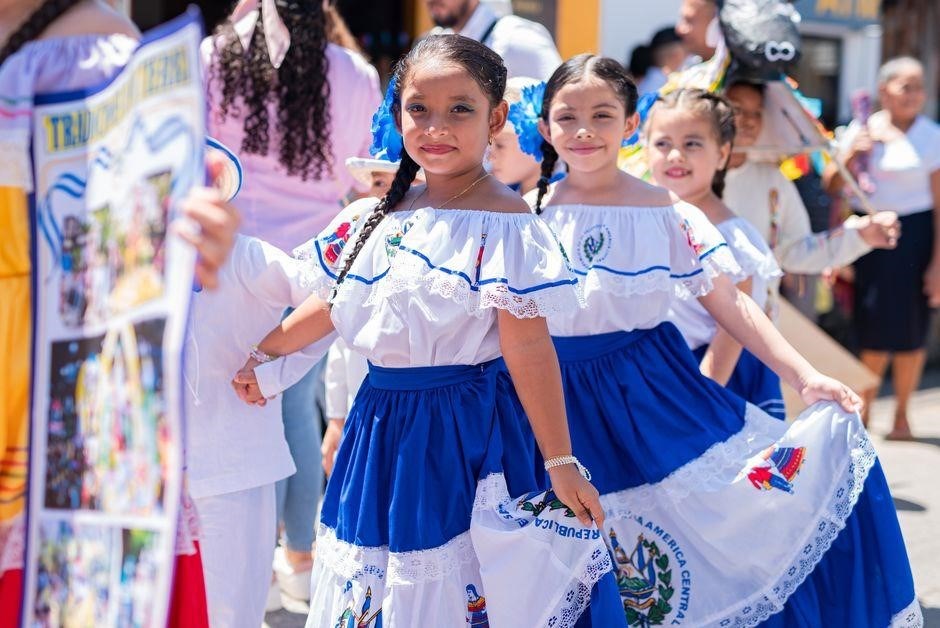
Key Themes for Lesson Plans
The 8‑Ideas PDF highlights several core themes that align with Common Core standards while celebrating Hispanic heritage. Theme one, Cultural Roots, invites students to map the diverse origins of Hispanic peoples, from Indigenous to African to European roots. Theme two, Language and Identity, encourages students to practice greetings, simple dialogues, and phonetic patterns in Spanish, linking language to cultural pride. Theme three, Art and Music, showcases murals, salsa rhythms, and contemporary compositions, letting students create visual or musical projects that echo heritage. Theme four, Literature and Storytelling, brings classic and modern Hispanic authors to life, guiding students to read, analyze, and retell narratives in both Spanish and English. Theme five, Historical Figures, spotlights leaders, activists, and artists, prompting research, biographies, and role‑play activities that illuminate their impact. Theme six, Community and Family, highlights local Hispanic contributions, encouraging field trips, interviews, and community‑service projects that honor neighbors. Theme seven, Food and Traditions, offers culinary exploration, recipe sharing, and cultural celebrations that connect taste to history, inviting students to cook and learn. Theme eight, Future Visions, encourages students to envision how Hispanic culture will shape tomorrow, fostering creative writing, design, and civic engagement projects. These themes collectively scaffold learning, ensuring students see themselves reflected while mastering skills ! Students celebrate by sharing their stories!
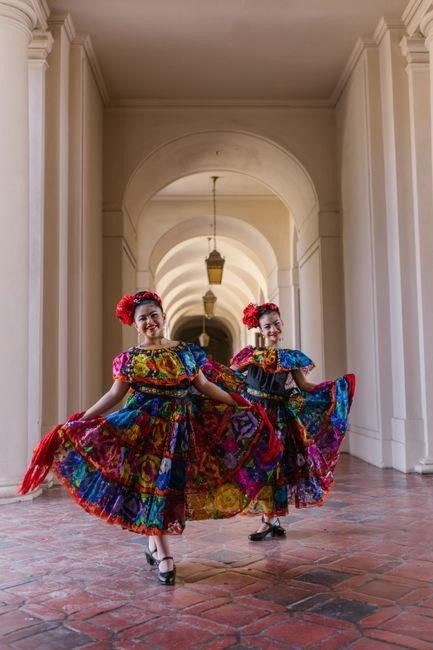
Sample Lesson Plan: 8 Ideas PDF
Teachers can adapt each idea to incorporate traditions, inviting community to share stories, songs, or artifacts. The PDF also suggests checkpoints, such as exit tickets and reflective journals, to gauge understanding and cultural appreciation. By weaving these eight micro‑activities into a cohesive educators create an inclusive environment that honors heritage while meeting expectations.!
Grade-Level Breakdown
For the 8‑Ideas PDF, lesson activities are organized into two primary grade clusters: K‑2 and 3‑5. Each cluster is designed for 3‑to‑5‑minute micro‑lessons that can be repeated, expanded, or combined to fit a full lesson block. The K‑2 cluster focuses on foundational literacy skills, aligning with Common Core Reading Standards R1, R2, R4, R6, R7, and R9, and Writing Standards W1, W2, W4, W6, W7, and W8. Speaking and listening expectations are also embedded, encouraging students to share personal or family connections to Hispanic culture. The 3‑5 cluster builds on these basics, offering slightly longer activities that deepen comprehension and analysis, while still meeting the same reading and writing standards. Teachers can layer in cultural artifacts, songs, or short biographies to enrich the content. Both clusters emphasize interactive, student‑centered learning, allowing for differentiation and formative assessment through quick exit tickets or reflective journals. By structuring the month’s lessons around these grade‑level guidelines, educators can ensure that each activity is developmentally appropriate, standards‑aligned, and culturally responsive. Students will also create a collaborative poster that maps Hispanic contributions across history, science, arts, and everyday life, encouraging cross‑disciplinary connections and reinforcing the month’s themes in a tangible, student‑led showcase. This activity culminates in a gallery walk where peers critique and celebrate each poster. Students will then present their posters in a showcase now
Common Core Standards Covered
The 8‑Ideas PDF aligns each micro‑lesson with specific Common Core State Standards (CCSS) to ensure rigorous, standards‑based instruction while celebrating Hispanic heritage. For Kindergarten through second grade, reading objectives target CCSS.ELA‑LITERACY.R1, R2, R4, R6, R7, and R9—emphasizing foundational comprehension, vocabulary, and text analysis. Writing goals reference CCSS.ELA‑LITERACY.W1, W2, W4, W6, W7, and W8, guiding students to produce clear, purposeful texts, develop narrative and informational writing, and employ evidence from texts. Speaking and listening standards are also woven in, encouraging oral communication, collaboration, and critical listening. For grades three to five, the PDF extends the same framework, integrating CCSS.ELA‑LITERACY.R1, R2, R4, R6, R7, and R9 for reading, while writing standards W1, W2, W4, W6, W7, and W8 are adapted to support more complex argumentation, synthesis, and research. The lesson plans include formative assessment checkpoints aligned with CCSS rubrics, enabling teachers to track progress and adjust instruction. By embedding these standards, educators can confidently integrate Hispanic heritage content into a cohesive, standards‑aligned curriculum that promotes equity, inclusion, and academic excellence. Additionally, the PDF provides cross‑curricular links to Social Studies, Mathematics, and Arts, illustrating how Hispanic contributions intersect with broader academic domains. Teachers can adapt the micro‑lessons for differentiated instruction, using leveled texts, visual supports, or bilingual resources to meet diverse learner needs. Assessment rubrics align with the Common Core’s performance indicators, ensuring that student work is evaluated consistently across classrooms. The PDF’s structure supports both in‑class and at‑home learning, with printable worksheets and digital resources that reinforce the standards. By integrating these standards into culturally relevant lessons, educators foster a learning environment where all students see themselves reflected in the curriculum and develop a deeper appreciation for the rich tapestry of Hispanic heritage.
Teaching Strategies
Teachers can employ a range of culturally responsive strategies to bring Hispanic heritage to life. Begin with a brief, engaging hook—such as a short video or a song that reflects the region’s traditions—then guide students through a guided inquiry where they compare the content to their own experiences. Use collaborative learning circles to let students share family stories, creating a shared narrative that reinforces oral language skills. Incorporate project‑based learning by assigning small research projects: students investigate a Hispanic artist, writer, or historical figure, then present findings through posters, digital slides, or a short performance. Differentiation is key: provide leveled texts, visual supports, and bilingual resources to accommodate varied reading levels. Formative assessment tools—like exit tickets, quick quizzes, or peer‑review checklists—help teachers gauge understanding in real time. Integrate technology by using interactive maps, virtual museum tours, or online storytelling platforms. Finally, connect lessons to the Common Core standards by explicitly linking reading, writing, and speaking objectives to the chosen cultural content, ensuring that standards are met while celebrating heritage. By weaving these strategies into daily practice, teachers not only meet rigorous academic benchmarks but also nurture a classroom culture where every student’s heritage is honored, fostering mutual respect, curiosity, and a deeper appreciation for the diverse voices that shape our shared history. and unity together.!!!??
Student Engagement Activities
Engage learners with hands‑on, culturally rich projects that celebrate Hispanic heritage. Begin with a “Heritage Story Circle” where students share family anecdotes, creating a living timeline of traditions. Follow with a “Cultural Artifact Hunt”—students locate everyday objects (e.g., maracas, papel picado, or a favorite recipe) and research their origins. Incorporate a “Music & Rhythm Workshop” where students learn simple Latin rhythms on percussion instruments, then compose a short group piece. A “Spanish Language Mini‑Lesson” introduces key phrases tied to the artifacts, encouraging bilingual dialogue. For visual learners, a “Mural Collaboration” allows students to illustrate a chosen historical figure or cultural symbol, integrating research notes. A “Digital Storytelling” activity lets students record a short interview with a community elder, preserving oral history. Add a “Cultural Cooking Demo” where students prepare a traditional dish, discussing ingredients and cooking techniques. Invite a local artist for a “Live Art Session” to demonstrate techniques used in Latin American murals. Organize a “Community Guest Speaker” event to discuss the impact of Hispanic contributions in local history. Finally, a “Reflection & Celebration” session invites students to write a brief journal entry about what they learned, sharing insights with peers. These activities foster critical thinking, cultural empathy, and collaborative skill development while honoring the vibrant tapestry of Hispanic heritage. Learn as one!!
Assessment and Evaluation
Assessment and evaluation for Hispanic Heritage Month lesson plans focus on both formative and summative strategies that align with Common Core standards. For K‑2, teachers can use a “Story Mapping” rubric to gauge comprehension of R1, R2, R4, R6, R7, and R9, while a “Writing Portfolio” checklist addresses W1, W2, W4, W6, W7, and W8. Speaking skills are measured through peer‑reviewed oral presentations, scored on clarity, use of cultural vocabulary, and confidence. A “Cultural Artifact Reflection” prompt asks students to write a short paragraph explaining the significance of an item, linking content to R6 and W6. In addition, a “Digital Story” project allows students to create a short video or podcast, incorporating research, narration, and visual aids; evaluation criteria include accuracy, creativity, and technical quality. For 3‑5, assessment can expand to a “Research Report” that requires hypothesis, data collection, and analysis, satisfying higher‑order thinking standards. Teachers should provide a “Self‑Assessment Checklist” where students identify strengths and set goals, fostering metacognition. Finally, a “Community Feedback” survey from local partners offers external validation of student learning outcomes. All assessments should be documented in a shared digital portfolio, enabling quick review, data tracking, and targeted intervention. This comprehensive approach ensures that each student’s progress is measured, celebrated, and supported throughout the month.
Teachers can also implement a “Cultural Knowledge Quiz” that tests factual recall about Hispanic history, language, and customs, providing immediate feedback and guiding subsequent instruction. A “Portfolio Review” session at the end of the month allows students to showcase their best work, encouraging reflection on growth and mastery of objectives. Data from these assessments should be plotted on a growth chart, helping educators identify trends and adjust pacing. Differentiation is supported by tiered assignments: advanced students may produce a bilingual essay, while peers may create a visual timeline. Peer‑assessment circles promote collaborative learning and accountability. Finally, educators should share assessment results with parents through a digital dashboard, inviting them to participate in goal‑setting and celebrate student achievements. This systematic, data‑driven cycle of assessment, feedback, and instruction ensures that Hispanic Heritage Month lessons are both culturally meaningful and academically rigorous.
All documentation is stored in a cloud‑based system, enabling easy access for future curriculum planning and compliance reporting.
Additional PDF Resources
The 8‑Ideas PDF is a foundational resource, but teachers can enhance their curriculum with a variety of supplementary PDFs. The National Council for the Social Studies offers a “Hispanic Heritage Month Lesson Plan Collection” (PDF) that includes interdisciplinary activities aligned with the Common Core. The Hispanic Heritage Foundation provides a “Cultural Literacy Toolkit” PDF, featuring primary source documents, lesson outlines, and assessment rubrics. The U.S. Department of Education’s “Teaching for Equity” PDF includes strategies for culturally responsive instruction during Hispanic Heritage Month. Additionally, the Smithsonian’s “Latino History in the U.S.” PDF offers a timeline of key events and biographies. For language arts, the Modern Language Association publishes a “Spanish Language Resources” PDF that includes reading passages and writing prompts. These PDFs can be downloaded from their official websites and incorporated into lesson plans, ensuring that educators have a diverse set of materials to support student learning and engagement.
For elementary grades, the National Hispanic Cultural Center offers a “Reading Comprehension Pack” PDF with short stories, questions, and vocabulary lists for K‑3. Middle school teachers can use the “Latino Literature Survey” PDF, featuring excerpts and discussion prompts aligned with ELA standards. High school educators may access the “Spanish Language Immersion Toolkit” PDF, which includes lesson outlines and assessment rubrics. All PDFs are freely available online and fit into unit plans.
Teachers can also download the “Spanish Language Immersion Toolkit” PDF, which offers video lessons and assessment rubrics a learners.
Digital Tools for Lesson Delivery
Educators can transform the 8‑Ideas PDF into interactive experiences by leveraging free and low‑cost digital platforms. Google Classroom serves as a central hub where lesson PDFs, discussion prompts, and formative quizzes are shared. Teachers embed the PDF directly into a class stream, allowing students to annotate and comment in real time. Padlet offers a collaborative wall for students to post images, short videos, and reflections on Hispanic cultural artifacts, linking back to the PDF’s themes.
Nearpod turns the PDF into a slide‑based lesson with embedded polls, quizzes, and virtual field‑trip videos of historic sites. The platform’s “Student View” lets students navigate the PDF while the teacher records voice‑over explanations. Kahoot! provides a game‑based review of key vocabulary and historical facts, with the PDF’s images used as visual cues. Flipgrid invites students to record short video responses to prompts derived from the PDF, fostering oral‑language practice.
Edpuzzle allows teachers to insert questions into the PDF’s embedded videos, ensuring comprehension checkpoints. Seesaw functions as a digital portfolio where students upload their own creative projects inspired by the PDF, such as illustrated timelines or short essays. The integration of these tools supports instruction, feedback, and data tracking aligned with Common Core standards. By incorporating the PDF into these platforms, educators create a learning environment that honors Hispanic while meeting learning goals;
Professional Development for Educators
Professional development focused on the 8‑Ideas PDF equips teachers to integrate Hispanic Heritage Month content into curricula. Workshops begin with a guided walkthrough of the PDF’s structure, highlighting how each lesson aligns with Common Core reading (R1, R2, R4, R6, R7, R9) and writing (W1, W2, W4, W6, W7, W8) standards. Participants practice converting PDF pages into Slides, embedding multimedia from the PDF’s images and audio clips. Facilitators model how to use the PDF as a scaffold for differentiated instruction: for K‑2, teachers create low‑reading summaries; for grades 3‑5, they develop analytical prompts that encourage higher‑order thinking.
Next, educators explore digital tools that amplify the PDF’s impact. In a session, teachers build a Padlet wall where students upload photos of Hispanic landmarks, linking each post to a PDF page that explains its historical significance. They then design a Kahoot! quiz that pulls vocabulary from the PDF’s images, using the platform’s instant feedback to adjust pacing. A Flipgrid video challenge asks students to narrate a story inspired by a PDF illustration, fostering oral skills while reinforcing content.
Assessment strategies are addressed through a design of formative rubrics aligned with the PDF’s learning objectives. Teachers practice marking student responses in Seesaw, noting how each entry meets the rubric’s criteria. Finally, the PD concludes with a reflection circle where participants share how the PDF’s flexible format supports inclusive pedagogy, cultural responsiveness, and decision making. By the end, educators leave with a toolkit of lesson plans, digital templates, and a community of practice for support. This toolkit.
Parent and Community Involvement
Parents and community members can actively support the 8‑Ideas PDF by sharing personal stories, artifacts, and local resources that align with the lesson themes. Teachers invite families to contribute photographs of Hispanic festivals, family recipes, or cultural artifacts, which are then incorporated into the PDF’s visual galleries. This hands‑on collaboration enriches the curriculum and provides authentic context for students;
Community outreach events can be organized around the PDF’s activities. For example, a local museum can host a guided tour that mirrors the PDF’s “Explore Historical Sites” lesson, allowing students to connect classroom learning with real‑world exploration. Food fairs featuring traditional Hispanic cuisine can accompany the “Celebrate Culinary Traditions” lesson, giving students a multisensory experience. The event schedule can be shared via the PDF’s calendar template, ensuring families know when to attend. During the event, students record reflections in a shared Google Doc, which teachers later analyze for cultural understanding.
Parent workshops focus on how to use the PDF’s printable worksheets and digital resources at home. Educators demonstrate how to adapt the PDF’s reading passages for home reading, encouraging parents to discuss key vocabulary and cultural facts. Digital platforms such as Seesaw or Google Classroom enable parents to monitor progress and provide feedback on student work aligned with the Common Core standards listed in the PDF.
Volunteer opportunities are highlighted in the PDF’s “Community Partnerships” section, inviting local Hispanic artists, musicians, and scholars to lead interactive sessions. These engagements not only honor cultural heritage but also model lifelong learning for students. By integrating the PDF’s structured lessons with community expertise, schools create a cohesive learning ecosystem that celebrates Hispanic Heritage Month in a meaningful, inclusive way. These collaborations also provide networking opportunities for families, fostering a sense of belonging and empowerment. Teachers can collect feedback through a short survey embedded in the PDF, ensuring continuous improvement.
and Further Reading
After exploring the 8‑Ideas PDF, educators can see how Hispanic Heritage Month can be woven into daily lessons while meeting Common Core standards. The PDF’s concise activities—ranging from reading passages to creative writing prompts—offer flexibility for diverse classroom settings. By integrating family stories and community events, teachers create a living curriculum that honors the heritage and fosters cultural empathy.
For deeper exploration, the Anti‑Defamation League’s website hosts additional resources, including downloadable lesson plans, multimedia guides, and professional development webinars. The PDF’s links to local museums, cultural centers, and online archives provide avenues for extended learning. Teachers can also consult the National Council for the Social Studies’ “Culturally Responsive Teaching” toolkit, which aligns with the PDF’s themes.
Future research could examine student engagement metrics before and after implementing the PDF’s lessons. By collecting data on reading comprehension scores and cultural awareness surveys, schools can refine the materials to better serve their communities. The PDF encourages iterative improvement, inviting educators to share feedback and adapt content for their unique student populations.
Educators document student reflections in a shared digital journal, enabling continuous assessment of cultural understanding. Peer‑review sessions allow students to critique projects, fostering collaboration. This reflective practice aligns with the PDF’s emphasis on student‑centered inquiry for deeper insight.
Leave a Reply
You must be logged in to post a comment.